March 27, 2026
- Dustin Moloy, of counsel to Bose, McKinney & Evans
- Sydney Moody, Clerk, Bose, McKinney & Evans
Avoiding a flop: a dive into FIFA World Cup 2026 wagering
What visiting fans will find if they want to bet on their teams at the World Cup
Summary
With different sports betting rules in US states and Canada and Mexico, fans visiting the FIFA World Cup 2026 face uneven access to betting opportunities. Will they stick with the regulated market, or chose black market options to support their teams? Here we review betting regulations by US state and the other host countries as well as exploring the likely betting handle during the world’s largest sports event and the alternatives to the regulated market
Introduction
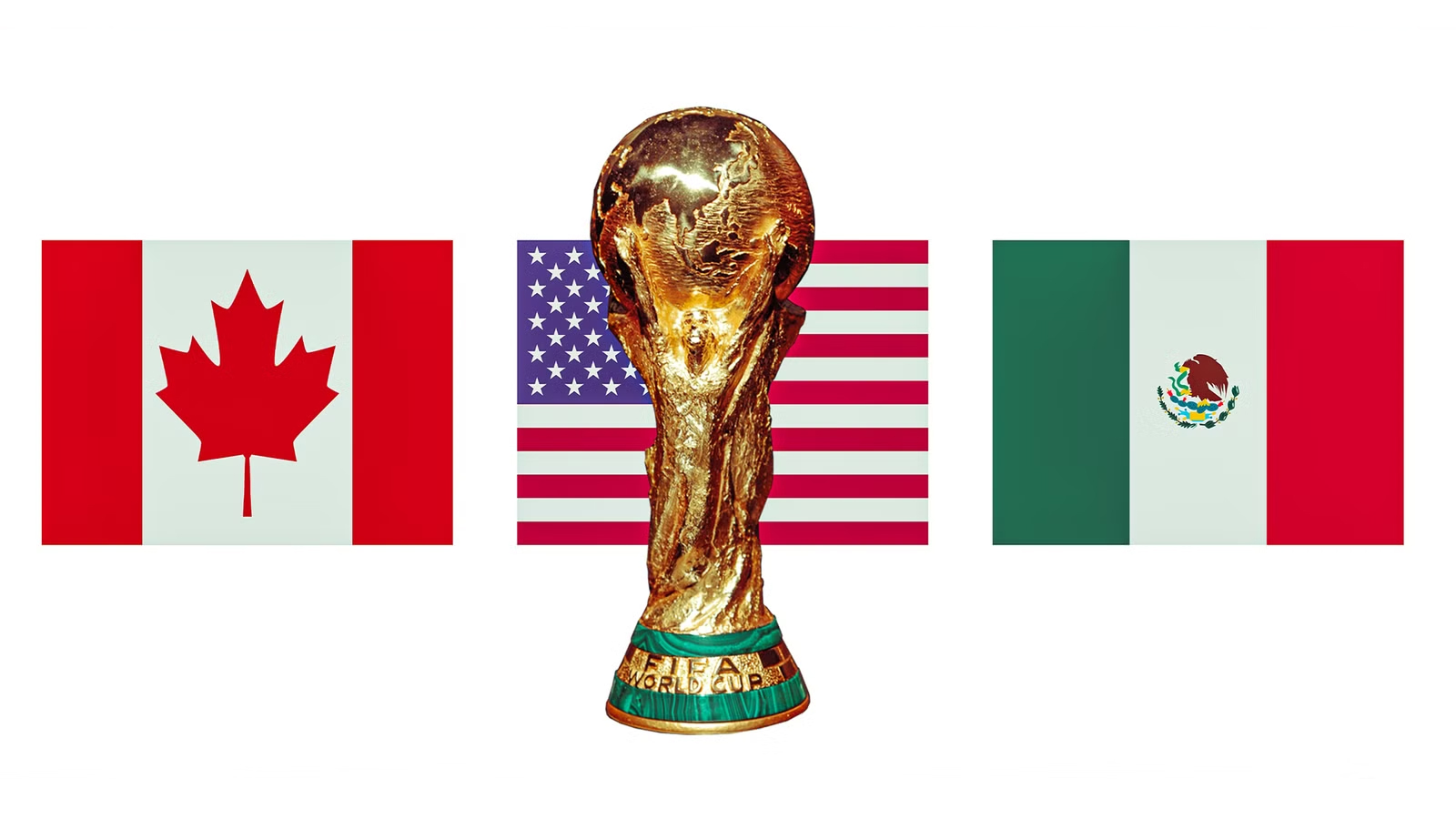
Every four years the world comes together, puts aside its differences, and unites over the most prestigious soccer (ahem, football) tournament on the planet. Yes, the FIFA World Cup is back, and it’s in North America for the first time in over 30 years. From June 11, 2026, through July 19, 2026, 48 teams from around the world will face off across sixteen host cities throughout Cananda, the United States, and Mexico. The host cities include: two Canadian cities – Toronto and Vancouver; three Mexican cites – Guadalajara, Mexico City, and Monterrey; and eleven United States’ cities – Atlanta (Georgia) Boston (Massachusetts), Dallas (Texas), Houston (Texas), Kansas City (Missouri), Los Angeles (California), Miami (Florida), New York/New Jersey, Philadelphia (Pennsylvania), San Francisco (California), and Seattle (Washington).
2026 will see an expanded forty-eight teams competing for the FIFA World Cup Trophy, a change from the 32-team format used from 1998 through 2022. The group stage will feature twelve groups of four teams playing each other in a round-robin format. 32 teams will advance to the knockout states and the two surviving teams will meet in the 2026 FIFA World Cup Final on July 19, 2026, at 3:00PM at MetLife Stadium in East Rutherford, New Jersey. In total, 104 World Cup matches will be played this summer.
The event is expected to draw as many as 10 million visitors across the eleven US host cities, potentially making the 2026 World Cup the largest sporting event in history[1] and generating billions of dollars in economic impact[2]. It will also be a fantastic opportunity for sports wagering operators to attract new customers – both foreign and domestic – particularly given that the sport’s calendar is typically slow during the months of June and July (with apologies to the baseball fans). Visitors to the United States hoping to bet while watching their favorite team play may be surprised to find that the opportunity and legality of wagering depends on the city where the match is held.
US states with legalized sports wagering.
Visitors to Massachusetts, Missouri, New York, New Jersey, and Pennsylvania will find jurisdictions with established, legal, and regulated sports books readily available to accept wagers. This is good news for French and Norwegian supporters who want to bet (or who enjoy an Mbappe or Haaland first goal scorer bet), as all of their teams’ group-stage matches will be played in these states.
Massachusetts – Massachusetts has offered online and retail sports wagering products since early 2023 and is home to one of the United States’ most popular sports betting operators, DraftKings. The Boston area is also home to the WynnBET Boston Sportsbook’s retail outlet where visitors can place sports wagers in person. For those looking to bet closer to the Gillette Stadium in Foxborough, the retail sportsbook at the Plainridge Park Casino is less than five miles away. The nearly half a million international visitors[3] expected to visit the greater Boston area this summer will have plenty of options when it comes to making a wager.
Missouri – As the only hosting location in the Midwest, Missouri is also the most recent state to launch legalized sports wagering. Missouri officially went live with online and retail sports betting on December 1, 2025 and currently has eight mobile sports wagering operators, with FanDuel and DraftKings dominating market share early on[4]. Kansas City is also home to several casinos that offer retails sports betting options, including the Fanatics Sportsbook at Ameristar and the Caesars Sportsbook at Harrah’s Kansas City. The 650,000 expected visitors[5] to Kansas City may not be aware that it straddles the border between Kansas and Missouri (the Arrowhead Stadium is in Kansas City, Missouri) but, as Kansas legalized sports wagering back in 2022 for both mobile and retail operators, their wagering activity will be unimpeded.
New York – Sports wagering has been legal in New York since 2022 and it is now the largest legal sports betting state by handle, averaging nearly US$2 billion in monthly sports wagering handle[6]. All the major mobile US sports wagering operators are active in New York, including DraftKings, FanDuel, and BetMGM to name a few. More than 1.2 million visitors are expected to visit the Big Apple and surrounding areas during the tournament[7], and the major sports wagering operators will likely offer enticing promotions to attract visiting fans.
New Jersey – As the state responsible for the fall of the Professional and Amateur Sports Protection Act of 1992 (better known as PASPA), New Jersey can be credited with the normalization of sports wagering in United States’ culture. Like New York, all of the major sports wagering operators are active in New Jersey. The state also offers retail sportsbooks, mostly at its casinos in Atlantic City, such as the Borgata and Caesars. Considering New Jersey will host the final match of the tournament, there will likely be a significant increase in sports betting handle in the Garden State.
Pennsylvania – Philadelphia will host six World Cup matches at Lincoln Financial Field, with five-time World Cup champions, Brazil, playing there on June 19th. With 11 legal, online sports books to choose from in Pennsylvania, the roughly 500,000 visitors[8] to Philly will have the pick of the litter when choosing where to place their wagers. Downtown Philadelphia is also home to several casinos where bettors are able to place wagers in person.
US states without legalized sports wagering.
Those visiting California, Texas, or Georgia will have fewer ways to grab a piece of the action, as these states have not yet legalized sports betting. Japanese and Swiss supporters who want to bet will find life especially restrictive as almost all of their teams’ group-stage matches will be played in these states.
California – Between its two host cities, San Francisco and Los Angeles, the Golden State is expected to attract nearly half a million visitors from around the world[9] generating an anticipated billion dollars or more in economic benefit for the state. Unfortunately, Californians will not benefit from sports wagering on the World Cup as there are no legal, regulated sportsbooks meaning no tax receipts will be generated. California last attempted to legalize retail and online sports wagering in November 2022, but voters overwhelming rejected the two propositions on the ballot, leaving the United States’ most populous state without an outlet for legalized sports wagering.
Texas – Like California, Texas is home to two host cities for the 2026 World Cup – Dallas and Houston. Also like California, the United States’ second most populated state also prohibits sports wagering of any kind. Since the fall of PASPA, several bills to legalize sport wagering have been introduced but have ultimately failed in the Texas legislature. Between Dallas and Houston, sixteen matches will be played in the Lone Star State, but the many thousands of expected visitors will be disappointed if they are looking for legal ways to place a sports wager.
Georgia – Mercedes-Benz Stadium in Atlanta will host eight World Cup matches this summer, but visitors will not be able to place wagers as there is no commercial gaming in the state at all, other than its lottery. The Georgia legislature has attempted to legalize sports wagering by attaching it to the state’s lottery, but efforts have stalled.
US states with limited legalized sports wagering
Visitors to Florida or Washington will be able to place wagers on their favorite teams, but their options will be more limited than those available in Missouri, Kansas, or on the East Coast. This is especially important for supporters of Uruguay and Egypt: Uruguay will play two group-stage matches in Florida, while Egypt will play two group-stage matches in Washington.
Florida – The State of Florida, Hard Rock, and the Seminole Tribe have a somewhat complicated history with regards to legalized sports wagering. Back in 2007, the Seminole Tribe of Florida purchased the iconic Hard Rock International brand. In 2021, the Seminole Tribe entered a new 30-year Class III Gaming Compact with the State of Florida, granting the Seminole Tribe the exclusive right to offer casino gaming and sports wagering throughout Florida[10]. As the only legal sportsbook in Florida, visitors to South Beach for the World Cup will have to download the Hard Rock Bet app to place a legal wager in the Sunshine State.
Washington – While sports wagering is available in Washington, visitors will have to make their way to one of the State’s Tribal casinos if they want to place a wager on sports. There are several Tribal casinos throughout the state, including some in the Seattle area. Most have in-house, retail sportsbooks, including a few operated by major players like DraftKings and Caesars. Some of these sportsbooks allow patrons to use a mobile app to place wagers, but only if the bettor is physically located at the retail establishment.
Other North American markets
Canada – Sports wagering regulation varies significantly across North America, and those differences are likely to influence how betting activity develops during the 2026 FIFA World Cup. In Canada, sports wagering is legal but regulated primarily at the provincial level. Following federal reforms in 2021 that removed the prohibition on single-event sports betting, provinces were granted the authority to license and regulate wagering within their borders, resulting in a patchwork of markets.[11] Some provinces, including Ontario, home to World Cup host city Toronto, have launched competitive regulated online platforms, while others continue to rely primarily on government-run systems or more limited frameworks.[12] Major US-facing sportsbooks such as FanDuel and DraftKings are licensed in Ontario’s regulated market but will not be available to World Cup fans in the other Canadian host city of Vancouver.[13]
Mexico – Mexico, by contrast, regulates sports wagering under a centralized federal framework. Gambling, including online sports betting, is legal nationwide under the Regulations of the Federal Gaming and Raffles Law and overseen by the Ministry of the Interior (Secretaría de Gobernación, or SEGOB).[14] Operators with the requisite federal authorization may offer sports betting nationwide, with online wagering permitted through properly licensed entities. Unlike the US and Canada, online sports betting in Mexico operates under a single national regulatory framework rather than varying by state or region. Visitors to any of the 13 matches being staged in Mexico will experience a consistent betting environment, although the federally regulated market does not currently include many of the major sportsbook brands familiar to US bettors.
US regulated sports wagering operator handle expectations
The FIFA World Cup occurs during a slow period in the American sports calendar. With the NBA Finals concluding no later than June 19th and the college and NFL football seasons still months away, the World Cup will mainly have to compete with summer baseball for viewers and wagering dollars[15]. While the WNBA has also generated increased betting interest in recent seasons, overall summer wagering activity remains lower than in the fall and winter months.[16] Monthly US revenue data indicates distinct seasonal patterns that correspond to the domestic sports calendar. Monthly sports betting handle and gross gaming revenue (“GGR“) tend to soften across the US during the summer months, with July frequently identified as the quietest point of the annual wagering cycle[17]. Revenue reports from three mature online sports wagering markets in the United States – New Jersey, New York, and Pennsylvania – show that the lowest monthly online sports betting handle in both 2024 and 2025 occurred during the summer months, particularly June and July[18]. As host states they will provide an interesting insight into the amount the 2026 World Cup wagers will mitigate for the off season in sports betting.
Unlike prior international events, the 2026 World Cup will be hosted domestically across multiple US cities, creating a favorable time zone and close geographic proximity between spectatorship and regulated wagering markets. The World Cup also brings a significant global betting audience for whom sports wagering, particularly soccer, is already deeply embedded in consumer behavior[19]. Interest in the tournament is further shaped by its international appeal and by the fact that the men’s event has not been hosted in the United States since 1994, a period that obviously predates modern, legalized sports wagering[20].
With the anticipated infusion of international soccer fans, states that offer legal sports wagering can expect increased handle, but how much is difficult to predict. Sports book operators are likely hoping that the significant increase in soccer’s popularity over the past decade in the United States[21] will bolster betting interest among domestic customers. International soccer tours such as the Soccer Champions Cup, Premier League Mornings Fan Fest, and TV deals with NBC (EPL), ESPN (Bundesliga and La Liga) and Paramount (Serie A) have all contributed to the growing soccer fever sweeping the United States. Given these factors, the question is not whether operators will see an increase in wagering activity, but how substantial that increase will be.
Though not hosted in the US, the 2024 Olympic Games provide a useful point of reference for evaluating the potential impact of the 2026 FIFA World Cup on sports wagering participation. Although national GGR did not show a pronounced spike in summer 2024, isolating the Olympics’ effect is difficult amid sustained year-over-year industry growth and market expansion.[22] Like the FIFA World Cup, the Olympics are held every four years, take place in the summer, and are an international sporting event that attracts a global audience and features competition over multiple weeks. However, unlike the World Cup, the Paris Games were held in Europe, limiting direct geographic proximity to US bettors with much of the action taking place while US viewers were asleep. Both factors potentially muted any measurable domestic revenue effect.
Further, the global betting handle for the Paris Olympics more than tripled compared to the 2021 Tokyo Games, reflecting both overall market growth and the continued expansion of regulated sports betting frameworks[23]. Within the United States, FanDuel reported that Olympic wagering volumes during Paris 2024 were approximately five times higher than during the Tokyo Olympics, a period when far fewer US states had authorized sports betting[24]. These figures suggest that international sporting events can, under the right conditions, generate meaningful and increased wagering activity in the US market.
The World Cup’s match schedule provides a more continuous and predictable stream of betting inventory than the Olympic Games at times when US consumers are able to attend. Equally significant is the issue of geographic proximity. The Paris Olympics required US bettors to engage primarily as remote spectators. The 2026 World Cup will have a domestic footprint that is likely to amplify engagement and combines the global appeal of an international tournament with the localized commercial and regulatory dynamics of a domestic sporting event. Team USA is expected to field a competitive squad that, on paper at least, should advance to at least the knockout stages[25]. The combination of eleven domestic host cities and an exciting team should propel US sports betting operators to significantly above average sports wagering handle this summer.
Soccer’s dominance in global betting markets
Across much of the world, soccer is not simply the most popular sport, it also serves as the foundation of the global sports betting industry. In 2024, soccer betting was forecast to generate approximately US$53 billion in GGR, accounting for more than 56 percent of total regulated sports betting gross win worldwide[26]. This dominance is most visible in Europe and South America, where domestic leagues operate year-round, and international competitions keep football at the center of the betting calendar.
That concentration becomes even clearer when viewed regionally. Europe and Asia together are projected to account for approximately 85 percent of global soccer betting GGR, and in several international markets, soccer accounts for well over half of all sports betting gross win[27]. In these jurisdictions, soccer is not a seasonal product or an occasional betting opportunity, it is the default wagering option.
The United States tells a different story. Sports betting activity in the US remains spread across the major sports codes. Aggregated state-level data drawn from a cross-section of US jurisdictions show that American football and basketball, across both professional and collegiate competitions, have alternated as the largest contributors to sports betting handle over the past two years[28]. The US market remains anchored to its domestic leagues, with North America expected to generate US$5.4 billion in basketball GGR by 2028 and to lead global basketball betting growth.[29]
It is against this backdrop that the 2026 FIFA World Cup enters the US market. The intersection is especially apparent in New Jersey, one of the nation’s most mature sports wagering jurisdictions. New Jersey is scheduled to host eight World Cup matches, including the Final, placing the centerpiece of the tournament within a state where football and basketball have dominated wagering activity every year since legal sports betting launched in late 2018[30]. The World Cup will test whether soccer can compete with the sports New Jersey bettors wager on most.
This contrast highlights the broader significance of the 2026 tournament. Internationally, the World Cup aligns with established betting behavior centered on soccer. In the United States, it arrives in a market shaped by different sports preferences, different seasonal dynamics, and different wagering habits. How regulated operators respond to that moment through product offerings, market access, and competitive positioning may determine whether the World Cup produces a short-term surge or a lasting shift in US sports wagering behavior.
Potential sports wagering handle disruptions
Despite things looking very positive for legalized US sports wagering operators this summer, there are a few potential disrupters to the regulated sports wagering industry. While it is uncertain how much the World Cup will drive increased handle, and how sustainable those betting habits will be, who those wagers are made with matters. Experience from other markets suggests that entrenched habits can be hard to change even in a fully legalized market. Future legalization is no guarantee that the regulated market will attract consumers, and bettors who are denied access to a legal sports betting market have several options available to them.
Prediction Markets
Prediction markets – such as those run by Kalshi or Polymarket – have proven to be a viable option for bettors. Regulated by the Commodity Futures Trading Commission (CFTC) as financial instruments, individuals trade against others who select the opposite side of the contract rather than betting against the house.
The peer-to-peer model is not without critics, though. Kalshi has faced legal challenges in several jurisdictions and has even been forced to shut down sports-related contract offerings in states such as Massachusetts[31]. Additionally, the crypto-based prediction market, Polymarket, is facing a class action lawsuit in the Southern District of New York, where plaintiffs have alleged that the prediction model is nothing more than sports wagering in disguise.
Even with intense regulatory scrutiny and mounting litigation, users are flocking to prediction market platforms, with the Kalshi app being downloaded more than three million times in the United States this past January[32]. States and regulated sports betting operators that were hoping that the CFTC would issue guidance or ban sports-related contract offerings ahead of the World Cup, are out of luck. The CFTC recently announced that it was withdrawing a proposed ban on sports-related event contracts[33]. This leaves the Kalshi’s of the world free to operate in any state where they haven’t been ordered to cease operations, including major host states without traditional, regulated sports wagering – California, Texas, and Georgia. They will be joined by DraftKings, Fanatics, and FanDuel which have all launched their own prediction market apps across the US offering sports-related event contracts in a limited number of states, including California, Texas, Georgia, and Florida.
Much has been made by state regulators and rival licensed operators of the lack of protections for consumers using prediction markets, but, in the context of the World Cup, integrity may be as serious an issue. There have been several high-profile cases of insider dealing on prediction markets including on sports events. As financial instruments, trading on prediction markets with insider information can be prosecuted as commodities fraud. Wire fraud statutes can also be used by the DOJ to prosecute athletes or staff using Material Non-Public Information (MNPI) to defraud platforms. Although Kalshi CEO has argued that trading using MNPI is not technically insider trading[34], the majority of sport’s governing bodies, including FIFA, have moved quickly to tighten up their rules. These now have clauses to the effect that any transaction whose outcome is dependent on the result of a sports event is off limits to competitors, coaching and other staff.
The major sports codes have also signed partnerships with prediction markets operators which have also been brought under the banner of the Sportradar Universal Fraud Detection System. With the involvement of three countries in a region which has seen a huge expansion of prediction markets activity, fraud detection is another burgeoning area. Illegal betting will be tackled by a multi-national coalition led by the FBI, Interpol and the UNODC. With these markets changing all the time, it remains to be seen how successful they will be.
Daily Fantasy Sports
Well over a decade ago, FanDuel and DraftKings burst into the US market with an unparalleled media blitz to meet consumer demand for daily fantasy sports (DFS). These early pioneers are still active in the DFS space but largely leveraged DFS to establish a loyal customer base for the eventual fully legalized sports betting market in the US post-PASPA. Today, less than 10 percent of DraftKings’ revenue is generated from DFS[35].
Despite the transition from DFS to regulated sports wagering, there is still an active DFS market – even attracting new operators such as PrizePicks and Underdog which have made a significant splash in recent years. DFS has also evolved over the years, and today’s “player picks” products can resemble player prop parlays. Most DFS operators, including PrizePicks, are available in California, Texas, Georgia, and Florida for interested users looking for an abbreviated “betting” experience.
Also, in November 2025, PrizePicks announced a partnership with Kalshi to offer its own predictions market product, including sports-event contracts, which is also available in most major markets, including California, Texas, Georgia, and Florida[36].
Black / Offshore markets
Bettors in the US continue to use bookies and offshore sportsbooks. In fact, unregulated markets were estimated to have had an estimated handle of US$84 million in 2025[37]. In 2022, it was estimated that 35 percent of all sports wagers were made with unregulated sports books[38]. While it appears that that number has shrunk to 25 percent in 2025[39], the unregulated market clearly continues to be a challenge in the US, both from a taxation and consumer protection standpoint. With millions of visitors traveling to the US for an extended stay, the industry will be watching to see if they are drawn to the licensed and regulated sportsbooks or look for offshore options that may be more familiar. For California, Texas, and Georgia, will visitors choose prediction markets or DFS, or will they instead find an unregulated offshore wagering platform?
Conclusion
The 2026 FIFA World Cup will be an exciting time in North America. Regulated sportsbooks throughout the US, Canada, and Mexico should experience an increase in wagering during the month and a half event. It will be interesting to see if international visitors will adopt and download regulated North American sportsbook apps, utilize a prediction market, or keep their wagering dollars offshore. One thing is for certain: regulated sportsbooks have a fantastic opportunity to recruit rabid fanbases and earn their business through marketing efforts or offering enticing promotions.
Dusty Molloy is of counsel to Bose, McKinney and Evans
More articles on Sports Betting
[1] https://share.america.gov/already-destinations-us-cities-embrace-fifa-world-cup-2026/
[2] https://digitalhub.fifa.com/m/152f754a8e1b3727/original/FIFA-World-Cup-2026-Socioeconomic-impact-analysis.pdf
[3] https://www.nenc.news/wbur/2026-01-21/world-cup-fans-are-coming-to-boston-the-t-is-still-working-out-how-to-get-them-around
[4]https://www.mgc.dps.mo.gov/SportsWagering/sw_financials/FY26_SWFinReport/12_Dec/SW%20Monthly%20Financials%201225.pdf.
[5] https://kansascityfwc26.com/kc2026-hits-its-stride-smallest-host-city-sets-high-standard-for-fifa-world-cup-readiness/
[6] https://gaming.ny.gov/system/files/documents/2026/01/monthly-mobile-sports-wagering-report-statewide.pdf
[7] https://nynjfwc26.com/press-releases/3-billion-in-economic-impact/
[8] https://www.visitphilly.com/things-to-do/events/world-cup/
[9] https://business.ca.gov/california-hosts-super-bowl-lx-and-other-upcoming-events-setting-gold-standard-for-sports-and-bringing-18-billion-in-economic-benefits/
[10] https://www.flgov.com/eog/sites/default/files/press/2021%20Gaming%20Compact.pdf
[11] https://www.canada.ca/en/department-justice/news/2021/08/government-of-canada-announces-coming-into-force-date-of-criminal-codeamendments-on-single-event-sport-betting.html
[12] Understanding Canada’s sports betting regulations in 2025 – Durham Post
[13] https://draftkings.gcs-web.com/news-releases/news-release-details/draftkings-launches-mobile-sportsbook-and-igaming-products
[14] https://practiceguides.chambers.com/practice-guides/gaming-law-2025/mexico
[15] https://www.rotowire.com/article/us-sports-betting-news-which-is-the-sport-americans-bet-on-most-71608?utm_
[16] https://www.espn.com/espn/betting/story/_/id/41310227/wnba-women-basketball-caitlin-clark-betting-odds-standings-sportsbooks
[17] https://www.americangaming.org/resources/commercial-gaming-revenue-tracker/
[18] https://gamingcontrolboard.pa.gov/news-and-transparency/revenue?field_gaming_revenue_fiscal_year_target_id=115;
https://gaming.ny.gov/revenue-reports
[19] https://www.versussportssimulator.com/articles/popular-sports-to-bet-on-in-the-us-and-europe
[20] https://www.fifa.com/en/articles/north-america-and-the-fifa-world-cup-canada-mexico-united-states-2026
[21] https://www.forsoccer.com/news/the-numbers-defining-soccers-growth-since-2020/
[22] Commercial Gaming Revenue Tracker – American Gaming Association
[23] https://flutter.com/news-and-insights/insights/going-for-gold-the-rise-of-olympics-wagering/?utm
[24] https://flutter.com/news-and-insights/insights/going-for-gold-the-rise-of-olympics-wagering/
[25] https://www.espn.com/soccer/story/_/id/47212401/2026-world-cup-draw-how-us-matches-group-stage-foes-paraguay-australia-turkiye-romania-slovakia-kosovo
[26] https://h2gc.com/site/assets/News%20Stories/IBIA-Report-2024_FINAL-TEXT_SINGLE_AW.pdf
[27] https://h2gc.com/site/assets/News%20Stories/IBIA-Report-2024_FINAL-TEXT_SINGLE_AW.pdf
[28] AGA State data spreadsheet
[29] https://h2gc.com/site/assets/News%20Stories/IBIA-Report-2024_FINAL-TEXT_SINGLE_AW.pdf
[30] AGA State data spreadsheet
[31] https://www.mass.gov/news/ag-campbell-secures-court-order-that-will-block-kalshi-from-offering-unlawful-sports-wagers-in-massachusetts
[32] https://www.pymnts.com/consumer-insights/2026/kalshi-overtakes-draftkings-and-fanduel-in-download-race/#:~:text=By%20PYMNTS%20February%205%2C%202026,DraftKings%20Sportsbook%20or%20FanDuel%20Sportsbook.
[33] https://www.corporatecomplianceinsights.com/cftc-withdraws-proposed-rule-prediction-markets/
[34] https://www.linkedin.com/posts/mansourtarek_insider-trading-is-banned-on-kalshi-and-activity-7414691318947532800-ZPk9/
[35] https://freedom24.com/ideas/details/17917
[36] https://www.prizepicks.com/press-news/prizepicks-launches-prediction-markets-offering-with-kalshi
[37] https://www.americangaming.org/new-aga-analysis-reveals-illegal-gaming-remains-nearly-a-third-of-the-u-s-market/
[38] Id.
[39] Id.